
Revenue leakage detection and billing reconciliation
The service visit is complete. Did the invoice include the part as well as the labour? We reconcile work orders, deliveries and invoice lines so finance can investigate missing charges while the period is still open.
How do you find unbilled work before the period closes?
Start with a closed period finance knows well. We match delivery lines to invoice lines using the agreed identifiers, quantities and contract prices. The result tells the billing team which differences deserve a closer look.
- A fitted part is missing from the invoice
- The work order lists a part, delivery is complete and the invoice contains labour only. Finance receives the exception with a reference back to the delivery.
- A partial shipment will be billed later
- Some of the order has already been billed as agreed. Recording the next billing date and outstanding quantity keeps an expected difference out of the investigation queue.
- A repair is covered by warranty
- Record the reason for the unbilled item and the person who approved it. Finance can distinguish contractual warranty work from an actual billing error.
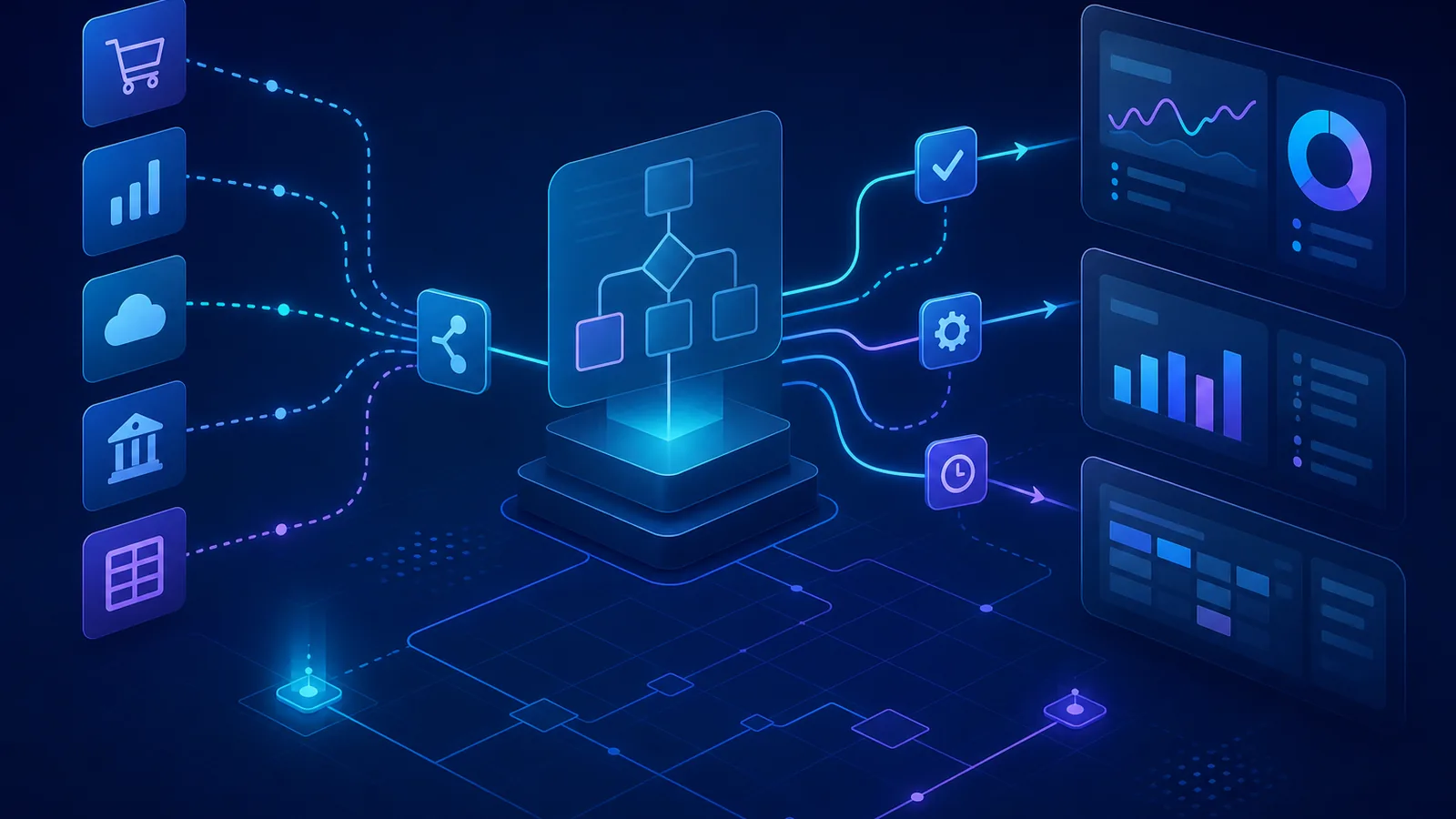
How delivery records are matched to invoice lines
What to bring
Provide records from one closed period, including deliveries, invoices, credit notes and the relevant contract rules. Start with de-identified samples.
What we do
We match at order, line and contract level, accounting for partial invoices, unit conversion, index adjustments and reversals.
What we deliver
Receive a review queue with owners and links to the source records. Agreed exceptions can create tasks in finance or your existing ERP.
How you verify the result
Finance approves each interpretation before any invoice is issued. Open exceptions, valid differences and confirmed corrections remain distinguishable.
What affects the price of billing reconciliation?
Delivery and invoice data from one business unit make a practical starting point. Multiple currencies, credit notes and consolidated invoices without matching identifiers need additional rules. We agree who approves those rules before automating them.
Scope for these estimates
Two sources with an agreed matching key.
- Correct one reconciliation rule in an existing integration (5–10 h)
- Match delivery lines to invoice lines in an exception view (20–40 h)
We agree the deliverables, price and schedule in writing before you order.
Model a possible billing gap
Enter annual revenue in euros and your own assumption about the unbilled share. The result shows the annual value implied by that assumption. Reconcile deliveries against invoices to measure the actual gap.
Formula: annual revenue × your assumed percentage / 100.
The calculation runs in this browser. Use the project estimator for a separate implementation estimate.
Frequently asked questions
Is every discrepancy recoverable revenue?
A discrepancy is a prompt for review. Timing, credits or a contractual exclusion can explain it. Only an approved billable item should lead to a correction.
Can we start without changing the ERP?
Yes, if you can export line items from both systems for the same period. The first review can produce an exception list for finance. A write-back integration can follow once the matching rules have been verified.
How do we verify the value of a billing gap?
Trace the exception to the delivery and contract. Record the adjustment approved by finance and the resulting invoice line separately, so unresolved exceptions do not inflate the confirmed amount.
Explore this topic
Request a billing review
Tell us where completed work is recorded, where invoices are raised and which period you want to check. A description is enough for the first enquiry.
Arrange a free initial consultationWe deliver remotely from Finland to clients worldwide, in English and Finnish.